Understanding Cash Buyers and Fast Home Sales
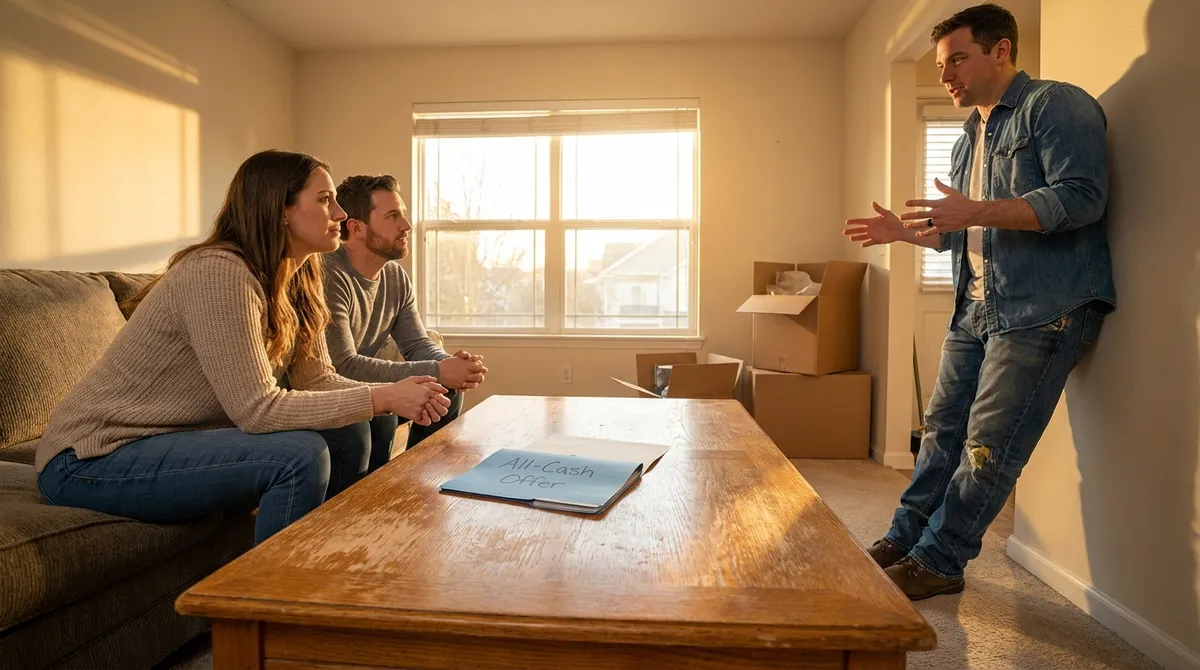
Selling a house the traditional way can feel slow and uncertain—showings, appraisals, repairs, and buyers whose financing might fall through at the last minute. Cash buyers offer a different path: a faster, simpler sale without many of the usual hurdles.
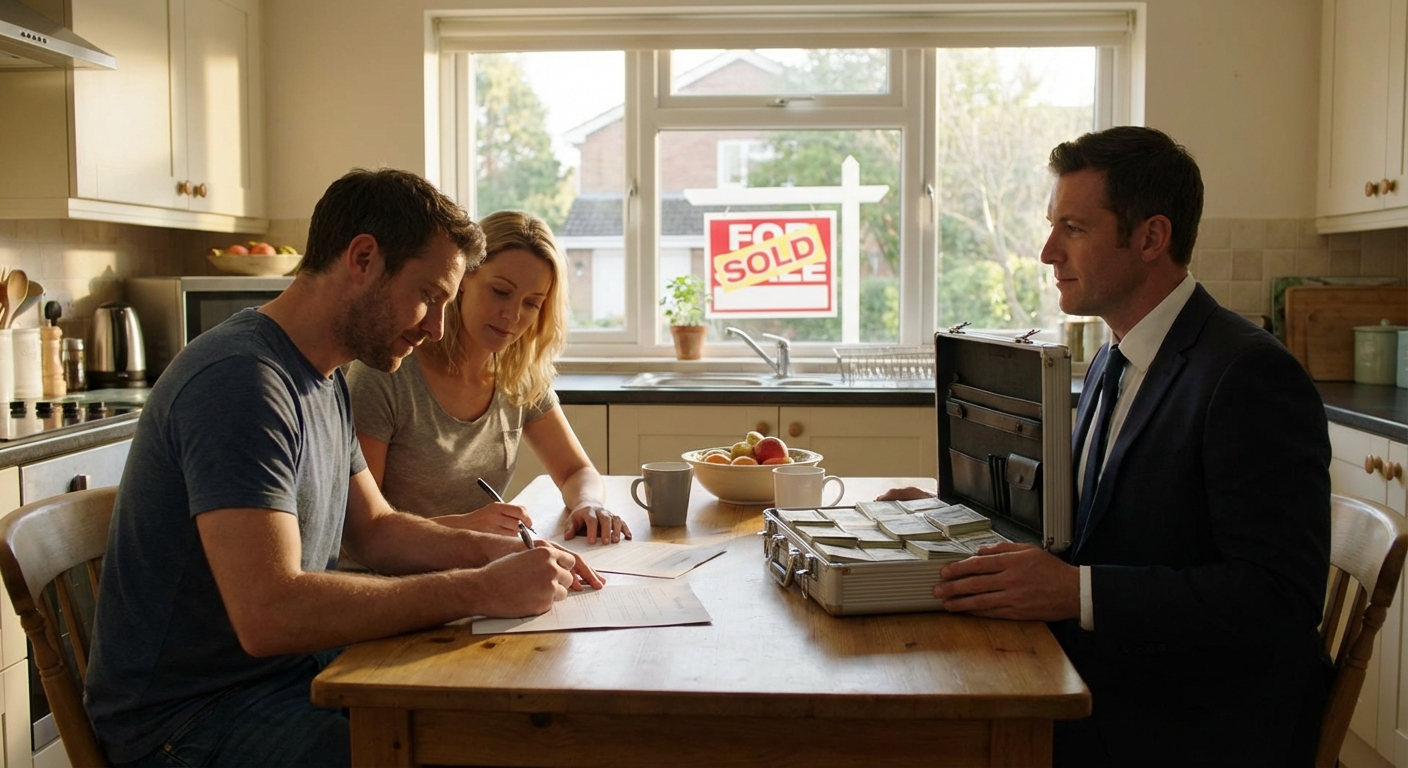
A cash buyer is an individual or company that purchases property without using a mortgage or other third‑party financing. The funds are available upfront, which often means a smoother, quicker closing.
This guide walks you through how cash buyers work, what to expect, and how to protect yourself while moving quickly. You’ll also get five practical tips you can act on immediately if you’re considering a cash sale.
How Cash Buyers Actually Work
Most cash buyers fall into one of three categories:
- Professional home-buying companies
These are investors (like Fast Cash Buyer House) that specialize in buying properties as-is. They typically:
- View your property once (or virtually)
- Make a no-obligation cash offer
- Pay closing costs in many cases
- Close in as little as a week, depending on your timeline
- Individual investors
These buyers look for rental properties or flips. They may be slightly slower than companies because they’re typically one-person operations, but they still move faster than mortgage-backed buyers.
- Owner-occupants with cash
Less common, but some personal buyers do have cash on hand. They can still offer speed, but usually expect the home to be in better condition than professional buyers do.
With any cash buyer, the main advantages are:
- No mortgage approval delays
- Fewer (or no) repair requirements
- Fewer showings and disruptions
- A closing date you can plan your life around
What a Typical Cash Sale Timeline Looks Like
While timelines vary, a realistic fast-path schedule can look like this:
- Day 1–2: You contact a cash buyer and share property details.
- Day 2–4: A brief walkthrough or virtual tour is done.
- Day 3–5: You receive a written cash offer.
- Day 5–7: You review, negotiate, and sign the agreement.
- Day 7–14: Title check, closing prep, and final paperwork.
- Day 10–21: Closing and cash disbursement to your account.
Some deals are even faster; others take a bit longer, especially if there are title issues, liens, or probate considerations.
Tip 1: Clarify Your Real Deadline Before You Call Anyone
When selling quickly, you need to be clear not only that you want speed, but how fast and why. This will shape every decision you make.
Ask yourself:
- Do I need to avoid foreclosure or tax sale by a specific date?
- Is my main goal speed, certainty, or maximizing price?
- Am I relocating for work with a fixed move-out date?
Tip 2: Get More Than One Cash Offer (But Don’t Wait Too Long)
Even in a rush, you shouldn’t accept the first number you hear without comparison.
Why multiple offers help you:- You learn what your local market will realistically pay in cash.
- You spot lowball offers quickly.
- You can sometimes use one offer to negotiate a better one.
- Contact at least two or three local or regional cash buyers on the same day.
- Provide the same information to each (condition, repairs, mortgage balance, etc.).
- Give them a firm but reasonable deadline (e.g., “I’d like offers within 48–72 hours”).
You don’t need a bidding war. You just need enough information to know whether an offer is fair for a fast, as-is sale.
Tip 3: Verify the Buyer’s Ability to Actually Close in Cash
Not every "cash buyer" is truly ready with funds. Some tie your house up under contract and then look for another investor to assign the deal to.
This can still work, but if speed and certainty are your top priorities, vetting is essential.
Ask these questions directly:- “Can you provide proof of funds?”
A bank statement or letter (with sensitive information redacted) should confirm they have access to the money.
- “Do you ever back out after inspection?”
Here, you’re listening for honesty. Many buyers reserve the right to renegotiate if major undisclosed issues appear, but they shouldn’t be vague or evasive.
- “Who will be on the closing documents—your company or someone else?”
This tells you whether they intend to wholesale the contract.
Action step: Ask for written proof of funds before signing. If they resist without a good reason, treat that as a red flag.Tip 4: Understand the Trade-Off Between Speed and Price
A cash buyer is providing a service: quick, as-is purchase with fewer hassles. In exchange, they typically pay below retail market value.
The key is knowing whether the trade-off makes sense for you.
Consider these cost-and-benefit questions:- How much would repairs, cleaning, staging, and holding costs (mortgage, utilities, taxes) cost if I listed traditionally?
- Can I afford to wait 2–4 months while paying these expenses?
- What is the emotional and practical cost of uncertainty—especially if I’m already under financial or time pressure?
In many urgent situations (foreclosure risk, divorce, job relocation, inherited property you can’t maintain), a slightly lower sale price may be a smarter financial decision than months of carrying costs and stress.
Action step: Write a simple comparison:- Column A: Best-case traditional sale (likely price, time, costs).
- Column B: Cash sale (offered price, closing speed, minimal costs).
Seeing it on paper helps you make a calm, numbers-based decision.
Tip 5: Protect Yourself With a Clear, Written Contract
Even with a reputable cash buyer, the contract is where expectations become reality. You don’t need to be a legal expert, but you should know what to look for.
Key items your purchase agreement should clearly state:- Purchase price – in writing, with no vague language.
- Closing date or closing window – specific dates or a date range.
- Who pays which closing costs – title fees, transfer taxes, recording fees, etc.
- Condition of sale – that the property is being sold as-is (if that’s the agreement).
- Contingencies – inspection, clear title, lien resolution, or appraisal (most true cash buyers don’t require appraisals).
- Read the entire contract once slowly.
- Highlight any term you don’t understand.
- Ask the buyer to explain those terms in plain language.
- If possible, have a trusted real estate attorney or knowledgeable friend review it.
Any reputable buyer will welcome your questions and won’t pressure you to sign on the spot.
When a Cash Buyer Makes the Most Sense
Selling to a cash buyer is usually a strong option when:
- You need to sell within 2–4 weeks, not months.
- Your home needs repairs you can’t afford or don’t want to manage.
- You’re facing foreclosure, tax sale, or serious financial stress.
- You’ve inherited a property and don’t want to become a landlord.
- You’re relocating suddenly and need certainty about your sale date.
If one or more of these fits your situation, talking to a cash buyer doesn’t obligate you to sell—but it does give you real numbers and real options.
Final Thoughts: Speed, Simplicity, and Smart Decisions
Cash buyers can turn a stressful, open-ended process into a quick, clear transaction. The key is to:
- Be honest with yourself about your timeline and priorities.
- Compare at least a couple of offers.
- Verify who you’re dealing with and confirm they truly have cash.
- Understand the price vs. speed trade-off.
- Insist on a clear, written agreement that protects your interests.
Used wisely, a cash sale can help you move on from a difficult situation faster—with fewer surprises and more control over your next step.