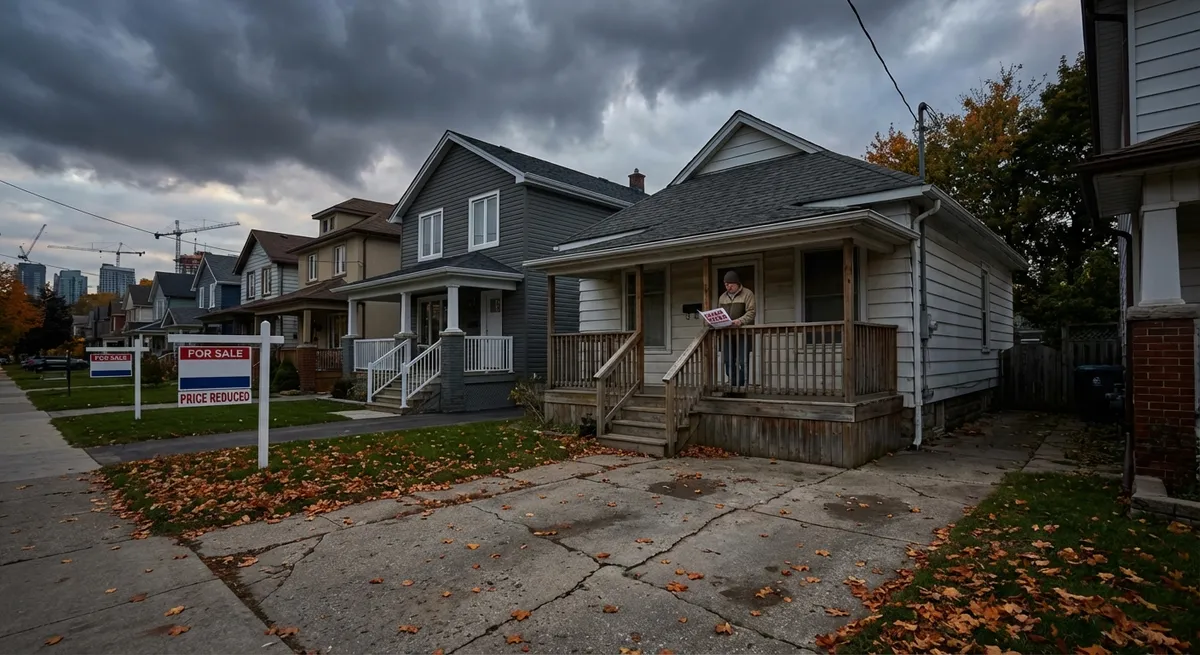

Decode Your Local Market: A Practical Playbook for Faster Cash Offers
Selling your house quickly for cash isn’t just about finding “a cash buyer.” It’s about understanding the market you’re standing in right now—and using that knowledge to your advantage. When you know what’s happening in your neighborhood (not just nationwide headlines), you can price smarter, negotiate better, and move faster with fewer surprises.
This guide walks you through how to read your local housing market in plain English—and how to turn those insights into a faster, cleaner cash sale. Along the way, you’ll get five practical, market‑aware tips you can act on immediately.
Read Your Local Market Like a Buyer (Not Just a Seller)
Most homeowners think like sellers: “What do I want for my house?” Cash buyers think like investors: “What does the market say this property is worth today, and how fast can I resell or rent it?” To sell quickly for cash, you need to borrow that investor mindset.
Start with recent sales within a one‑mile radius, focusing on homes similar in size, age, and condition. These “comps” help you see what buyers have actually paid—not just what neighbors hoped to get. Look at how long those homes sat on the market (days on market, or DOM). Short DOM typically means strong demand; long DOM can signal overpricing or cooling demand.
Then check current listings and price reductions nearby. A wave of new listings or frequent price cuts can mean buyers have more choices and more leverage. On the other hand, very few listings in your price range might signal an opportunity—cash buyers who need inventory may move quickly on a fair deal.
When you see your home through the lens of recent data, you’re better prepared to set a realistic cash price that attracts serious buyers, not just window‑shoppers.
Use Market Conditions to Set a “Fast‑Sale” Price Range
Market conditions—buyer’s market, seller’s market, or something in between—should directly shape how you price for a quick cash sale. You don’t need to be an economist; you just need to understand what direction the wind is blowing.
In a seller’s market (low inventory, multiple offers, rising prices), you can often price closer to top market value and still sell fast, even to cash buyers. They’re competing for a limited number of properties and may accept a slimmer discount for speed and certainty.
In a buyer’s market (lots of listings, price cuts, longer DOM), speed usually requires more flexibility. Cash buyers will expect a stronger discount for taking on risk, repairs, or a slower resale environment. If you absolutely need a quick close, it’s often better to price in line with investor expectations upfront rather than sitting for weeks and chasing the market down.
Your practical move: identify a realistic “fast‑sale band” instead of one magic number. For example:
- Top of the band: what you might get if you had time to list traditionally.
- Bottom of the band: what you’re willing to accept for speed, certainty, and an as‑is sale.
Knowing this range ahead of time keeps you from making emotional, last‑minute decisions when offers come in.
Five Market‑Smart Tips to Sell Quickly for Cash
These five tips combine basic market insight with practical moves you can make right away. They’re designed for homeowners who value speed and certainty, but still want to make informed choices.
1. Align Your Asking Price with “Investor Math”
Cash buyers—especially investors—rarely base offers on emotion. They work backward from what they can rent or resell the property for. The rough formula many use:
- After‑repair value (what the home could sell for fixed up),
- Minus repair costs,
- Minus holding and selling expenses,
- Minus their required profit margin.
You don’t need exact numbers, but getting a rough sense of this math helps you recognize whether a cash offer is in the normal investor range or unreasonably low. Look up what updated homes like yours are selling for, estimate basic repair needs, and understand that most investors will build in a profit margin of 10–20% or more.
Tip in practice: when a cash buyer explains how they calculated their offer, ask them to walk you through their assumptions. Even if you don’t agree with everything, it gives you a basis for negotiation instead of guessing.
2. Time Your Sale Around Local Activity, Not Just the Calendar
Nationally, late spring and early summer are often strong selling seasons—but your specific neighborhood can behave differently. Look at when similar homes near you actually closed, not just when they were listed. That helps you discover:
- Months when houses moved unusually fast,
- Slow periods when listings piled up,
- Times of year when certain buyer types (downsizers, investors, relocations) were most active.
Cash buyers operate year‑round, but they’re often more aggressive when they see clear resale or rental demand. If local data shows buyers are especially active in a certain quarter or after local employers make hiring moves, you may get better cash offers by aligning your sale with those windows when possible.
If you can’t wait, timing still matters. Listing or marketing mid‑week (when many buyers plan tours) and being prepared to show quickly can shorten your timeline, even in a cooler market.
3. Highlight the Data That Makes Your Property Attractive
Cash buyers look beyond curb appeal—they study risk and upside. Market data can actually become part of your “pitch” to them.
If rents are rising in your area, note that. If a nearby redevelopment project is increasing demand, mention it. If recent sales show solid appreciation over the past few years, that’s another signal of potential upside. You’re not trying to do their job for them, but you are making it easier for serious buyers to see the opportunity quickly.
On the flip side, be honest about drawbacks (busy road, older roof, small lot). Experienced cash buyers know these issues exist; transparency builds trust and can speed up decision‑making. When buyers feel you’re upfront, they’re often more willing to move fast and skip drawn‑out negotiations.
4. Match Your Exit Strategy to Your Local Buyer Pool
Your market’s buyer mix should dictate how you approach a fast cash sale. Different areas attract different types of cash buyers:
- Urban cores and job hubs: more investors looking for rentals or flips.
- Suburbs with good schools: more families and move‑up buyers who may use cash from selling a previous home.
- Areas with older housing stock: more rehabbers and “fix‑and‑flip” investors.
- Retirement or vacation markets: more second‑home buyers and retirees using cash.
If your area is investor‑heavy, they may expect deeper discounts but close very quickly and buy strictly as‑is. If you’re in a family‑oriented area, a cash buyer might be an individual who values move‑in readiness more than maximum discount.
Adjust your expectations and communication:
- For investors: emphasize numbers, repairs already handled, rental potential, and local demand.
- For owner‑occupants: highlight livability, schools, commute times, and recent improvements.
Knowing who’s most likely to buy your house for cash in your area helps you tailor your price, your marketing, and even what you say on the first call.
5. Use Multiple Offer Channels, but Decide Fast When the Data Lines Up
In most markets, cash buyers find deals through several channels: direct outreach (mailers, signs, websites), wholesalers, agents, and platform‑based buyers. As a seller, you can flip this around and invite multiple cash offers in a short, controlled window.
You might:
- Get a quick opinion from a local real estate agent familiar with investor buyers,
- Reach out to reputable local cash‑buying companies,
- Let serious buyers know you’ll be reviewing offers by a specific date.
The key is to keep the process tight. Give buyers enough information (photos, basic condition, any recent inspections) so they don’t have to guess. Then, when offers arrive, compare:
- Net cash to you after any fees or costs,
- Speed and certainty of closing,
- Flexibility on move‑out date,
- Contingencies (inspection, appraisal, financing—even some “cash” offers hide these).
When one or two offers line up with your pre‑set fast‑sale price range and your timeline, move decisively. Markets can shift quickly, and a solid cash offer today can be worth more than a theoretical higher price weeks from now.
Conclusion
Selling quickly for cash doesn’t have to mean selling blindly. When you understand your local market—how fast homes are moving, who’s buying, and what investors are really looking for—you gain leverage, even if speed is your top priority.
By reading recent sales, adjusting your pricing to current conditions, and tailoring your approach to the buyer pool in your area, you can turn raw market data into a clear, confident path to a fast, as‑is cash sale. The goal isn’t to squeeze every last dollar out of the deal—it’s to walk away with a fair outcome, on your timeline, with far less stress.
Sources
- Federal Reserve: How Does a Change in Interest Rates Affect the Housing Market? - Explains how interest rates influence buyer demand and pricing conditions.
- U.S. Census Bureau – Housing Data - Provides authoritative statistics on housing supply, vacancies, and market trends.
- National Association of Realtors – Existing-Home Sales Data - Offers national and regional data on sales volume, median prices, and days on market.
- Consumer Financial Protection Bureau – Selling Your Home Guide - Gives consumer-focused guidance on preparing to sell, evaluating offers, and understanding trade-offs.
- Harvard Joint Center for Housing Studies – State of the Nation’s Housing - In-depth research on broader housing trends that affect local markets and investor behavior.