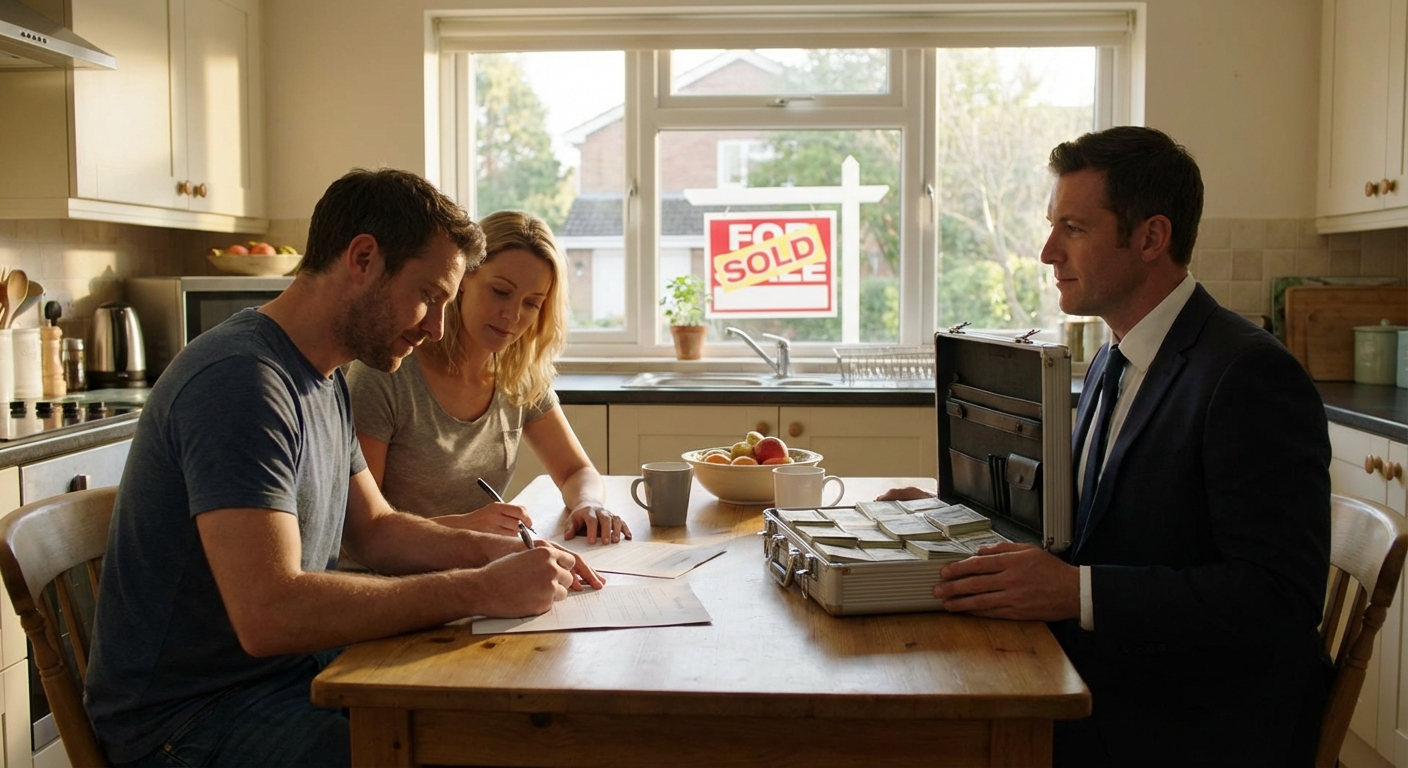

Smart Moves Before You Say “Yes” to a Cash Buyer
Selling your house for cash can feel like hitting the fast‑forward button on a stressful process. No banks, fewer contingencies, and often a much quicker closing. But “fast” should never mean careless. With a few smart moves before you accept a cash offer, you can protect yourself, avoid costly mistakes, and walk away with more money and less drama.
This guide breaks down what cash buyers really care about and gives you five practical tips to get your home sold quickly—without getting pushed into a bad deal.
Understand What a Real Cash Buyer Actually Is
A true cash buyer doesn’t “hope” they can get a mortgage—they already have the funds or verified access to them. That might be an individual with savings, an investor, a company that buys homes directly, or a small group of partners. What matters is not who they are, but whether they can actually close, on time, without a lender.
Ask every potential cash buyer for:
- Proof of funds: A recent bank statement, investment account statement, or a letter from a financial institution showing they have enough liquid funds to buy your property.
- Name and entity details: Are they buying as an individual, an LLC, or a company? Ask for the legal name that will appear on the contract.
- Timeline clarity: When can they realistically close? Serious cash buyers usually offer flexible and relatively short timelines.
- Basic track record: Have they closed cash deals before in your area? You can ask for a title company, attorney, or agent who’s worked with them.
If a “cash buyer” can’t quickly provide proof of funds or dodges basic questions, treat that as a red flag and move on.
Tip 1: Get Your Numbers Straight Before You See Any Offers
You can’t judge whether a cash offer is “good” if you don’t know your real numbers. Before you even list or start talking to buyers, get clear on what you’ll actually walk away with at closing.
Do this first:
- Check your mortgage payoff amount. Log in to your lender’s portal or call them for a payoff quote. This is usually different from your current balance because it includes interest through a specific date and any fees.
- Estimate closing costs. Even with a cash sale, there can be title fees, transfer taxes (in many states), and possibly prorated property taxes or HOA dues. A local title company or real estate attorney can give you a simple estimate.
- Identify any liens or issues. Tax liens, unpaid contractor bills, child support, or judgments can show up on title and delay or kill a deal. Better to know now and plan for them.
- Set your bottom line. Decide the minimum “net” you’re willing to accept—after paying off the mortgage, liens, and closing costs. Keep that number to yourself but use it to evaluate offers.
When a cash buyer presents a price, you’ll be able to instantly see if it clears your payoff and leaves you with enough to meet your goals, whether that’s moving, downsizing, or paying off debt.
Tip 2: Make Your House “Easy to Say Yes To,” Not Perfect
You don’t need to fully renovate your home to attract a cash buyer—especially if you’re targeting investors or companies that buy as‑is. But there’s a big difference between “as‑is” and “a headache.”
Focus on low‑effort steps that make your property easier to understand and easier to approve:
- Declutter and clean, even for as‑is sales. Less stuff makes the home feel bigger and helps buyers see potential. It also makes inspections and quick walkthroughs smoother.
- Handle small, obvious safety issues. Think loose handrails, broken steps, exposed wiring, or missing smoke detectors. Safety hazards can spook even experienced investors.
- Fix cheap, high‑impact problems. Sticking doors, leaky faucets, missing outlet covers, and burned‑out lights are usually quick fixes that reduce a buyer’s “mental repair list.”
- Gather key documents in one place. If you have permits, warranties (roof, HVAC, appliances), HOA rules, or recent repair invoices, put them in a folder. Cash buyers appreciate anything that reduces uncertainty.
- Be realistic about big repairs. If your roof is near the end of its life or your HVAC is failing, assume a cash buyer will factor that into their offer. You can either price accordingly or get a written quote for the repair to negotiate more confidently.
Your goal isn’t perfection—it’s to remove obvious objections so a cash buyer can quickly calculate their numbers and feel comfortable closing.
Tip 3: Verify the Buyer Before You Stop Considering Other Options
Speed is valuable, but so is security. Before you turn down other interest or take your home off the market, verify that your cash buyer is legitimate and ready to perform.
Here’s a practical process:
- Ask for proof of funds early. Do this before signing a contract if possible. If they hesitate, treat it as a warning sign.
- Use a neutral third party for deposits. Make sure the buyer’s earnest money goes to a legitimate title company or attorney escrow account, not directly to you or the buyer’s “friend.”
- Check the contract timeline. Watch for very long inspection periods or vague closing timeframes. Many serious cash buyers can close in 7–30 days, depending on title work and your needs.
- Search the buyer’s name or company online. Look for reviews, BBB listings, or complaints. Not every investor has a huge online presence, but obvious negative patterns are worth noting.
- Ask who will handle closing. A reputable local title company or real estate attorney is a good sign. If the buyer insists on using only their obscure out‑of‑area service, ask more questions.
While you’re verifying, you can still talk with other potential buyers. Once you’re confident in both the buyer and the offer, then you can reasonably commit and move forward.
Tip 4: Use the Contract to Protect Your Timeline and Your Flexibility
Many homeowners think cash deals are “simple,” so they rush through the paperwork. The contract is where your speed, certainty, and flexibility are either protected—or given away.
Pay close attention to:
- Inspection and contingency deadlines. Long, open‑ended inspection periods let a buyer back out late in the game. Shorter, clearly defined timeframes (for example, 5–10 days) are usually better for sellers who need certainty.
- Closing date and extension terms. Make sure the closing date works with your move‑out plans. If the buyer can extend, clarify how many days they can add and whether they must pay an additional deposit to do so.
- As‑is language. If you’re selling as‑is, ensure the contract spells that out clearly, but remember buyers may still do inspections and ask for concessions. Decide in advance how flexible you’re willing to be.
- Occupancy after closing. If you need a few days or weeks after closing to move, ask for a post‑closing occupancy agreement or “rent‑back” in writing, with clear terms and insurance details.
- Who pays what. Clarify who covers title insurance, transfer taxes, HOA transfer fees, and any home warranty (if applicable). Cash doesn’t automatically mean the buyer pays everything.
Whenever possible, have a real estate attorney or experienced title agent review the contract. A quick professional review often costs less than the amount you could lose from one bad clause.
Tip 5: Compare “Fast Cash” to Your Other Realistic Options
Cash is powerful, but it’s not always the only smart option. Before you commit, compare your cash offer to what you could reasonably get with other routes—and factor in time, risk, and hassle, not just the top‑line price.
Think through:
- Your urgency. If you’re facing foreclosure, a job relocation, or carrying two mortgages, a slightly lower cash price with a sure, fast close can be worth more than waiting for a higher offer that might fall through.
- Your home’s condition. If your property needs major repairs that many traditional buyers won’t accept—or that won’t pass lender requirements—a cash buyer may be your most realistic path to closing.
- Market conditions. In a slower or uncertain market, a solid cash offer can be more valuable than a higher financed offer that could get delayed, re‑negotiated after appraisal, or canceled.
- Carrying costs. Add up monthly mortgage payments, taxes, insurance, utilities, and HOA dues. A “higher” offer that takes three extra months to close might leave you with less net cash after carrying costs.
- Your stress level. Showings, open houses, repairs, and negotiations all take time and energy. For some homeowners, a smooth cash sale is worth more than squeezing out every last dollar.
Lay out each option in simple terms: likely sale price, estimated net proceeds, expected time to close, and risk level. When you see the whole picture on one page, the best choice usually becomes obvious.
Conclusion
Selling your house for cash doesn’t have to be a gamble. When you know your numbers, prepare your property just enough, verify who you’re dealing with, protect yourself in the contract, and compare all your options honestly, “fast” can also be smart and safe.
You don’t need to become a real estate expert overnight—you just need a clear, practical plan and the right questions to ask. Whether you end up working with an individual investor, a home‑buying company, or a local cash buyer, these steps help you move quickly without losing control of the process or leaving unnecessary money on the table.
Sources
- Consumer Financial Protection Bureau – Selling Your House – Overview of the selling process, key terms, and what to watch for with different types of buyers
- Federal Trade Commission – How to Avoid Real Estate Scams – Guidance on spotting dishonest buyers and protecting yourself in real estate transactions
- U.S. Department of Housing and Urban Development (HUD) – Tips for Selling Your Home – Practical advice from HUD on preparing to sell and understanding your obligations
- National Association of Realtors – Existing-Home Sales Data – Market context and data that help you understand how cash sales fit into broader housing trends
- Investopedia – All-Cash Offer Definition and Explanation – Clear explanation of what cash offers are and how they differ from financed purchases