Think Like a Cash Buyer: A Practical Game Plan for a Fast Sale
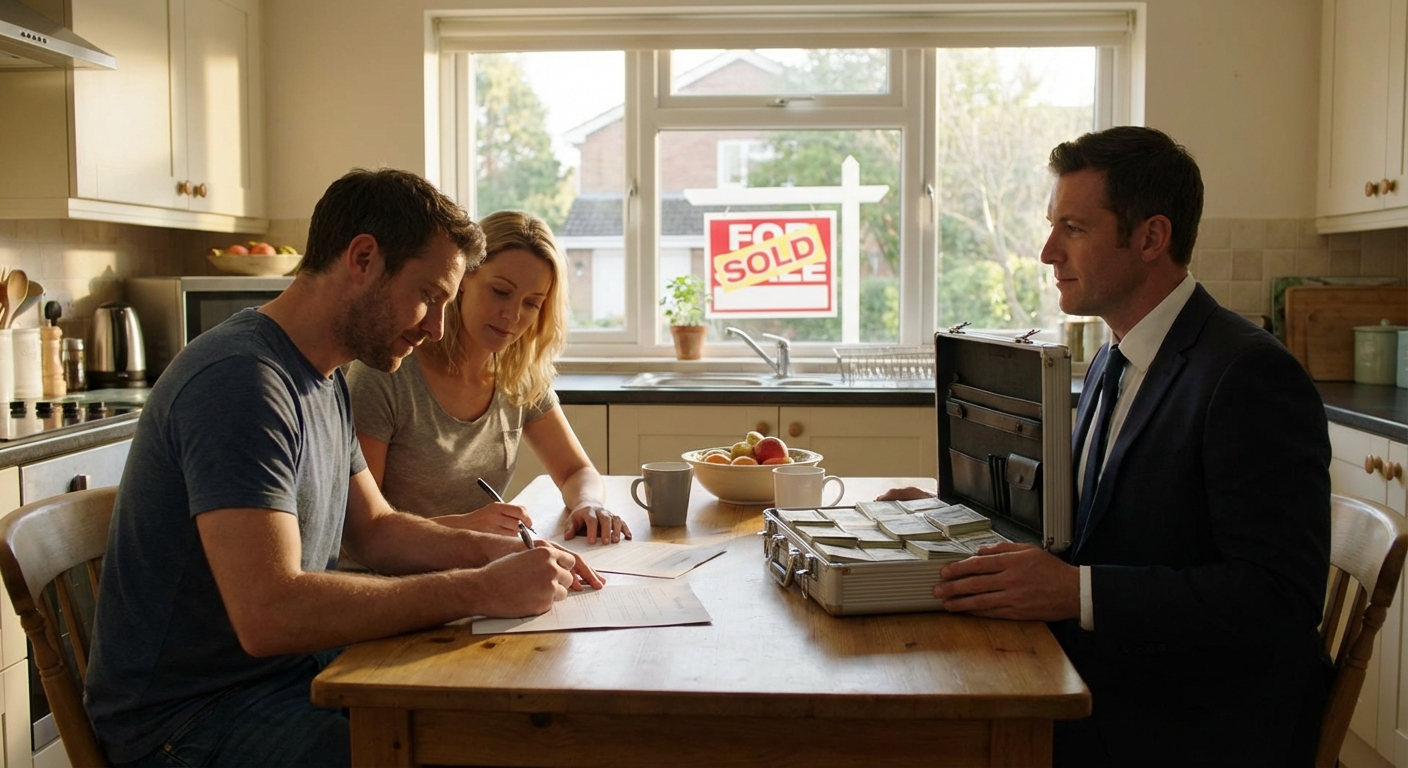
Selling your house fast for cash can feel like stepping into a completely different real estate world. No open houses every weekend, no endless repairs, no waiting on a buyer’s mortgage approval. But cash buyers do think differently than traditional buyers—and the more you understand their mindset, the smoother (and faster) your sale can be.
This guide walks through how cash buyers evaluate properties and turns that into five practical, no-fluff tips you can use right now if you want a quick cash sale.
Understand What Cash Buyers Really Care About
Cash buyers aren’t usually looking for a “dream home”; they’re looking for a deal that makes financial sense. That means they evaluate your house less like a family and more like an investor or a business.
Here’s what most cash buyers focus on:
- Numbers first, emotions second. They look at purchase price, repair costs, holding costs (taxes, utilities, insurance), and potential resale or rental value. If the math doesn’t work, they walk away quickly.
- Time equals money. The longer they hold the property, the less profit they make. A place that’s easy to close on and easy to turn around is far more attractive.
- Risk is a big red flag. Unknown repairs, title issues, and surprises on inspection all feel like extra risk. Reduce uncertainty, and you often get better offers.
- Condition is negotiable, clarity is not. Many cash buyers are fine with “as-is” properties—but they hate being surprised. A rough but honest house can be more attractive than one that looks okay but hides problems.
- Speed is a two-way street. You want to close fast; they do too. Being prepared, responsive, and organized makes you the “easy seller” they want to work with.
When you start thinking like a cash buyer, you can present your home in a way that checks their boxes and justifies a stronger offer.
Tip 1: Get Your Numbers Straight Before You Talk to Any Buyer
If you don’t know your own numbers, you’re always negotiating from behind. Before contacting cash buyers, sit down and make a clear, realistic picture of your situation.
Here’s what to line up:
- Your payoff amount. Call your mortgage lender and request a payoff statement so you know exactly what’s owed, including fees or penalties.
- Your bottom line. Decide the lowest price you’d accept to make the sale worth it, after paying off your mortgage and closing costs.
- Recent local sale prices. Look up similar homes in your area that sold recently—pay attention to condition and size. This gives you a reality check on what your house might bring, even in a quick cash deal.
- Must-have vs nice-to-have. Maybe you care more about a specific closing date than squeezing out every last dollar. Or maybe price is everything and you’re flexible on timing. Be honest with yourself.
When a cash buyer senses that you understand your numbers, you come across as serious, prepared, and less likely to waste their time—all of which can speed up offers and negotiations.
Tip 2: Decide Your “As-Is” Strategy—and Put It in Writing
Most cash buyers expect to buy “as-is,” but that phrase can mean different things to different people. The more clearly you define it upfront, the fewer delays you’ll face later.
Use this simple approach:
- List known issues. Roof age, HVAC problems, leaks, foundation cracks, old plumbing or electrical—note anything you already know about. You don’t need to fix it; you just need to acknowledge it.
- Draw a line on repairs. Decide what you absolutely will not fix (for example, “No repairs over $500”) and what, if anything, you’re willing to address.
- Put “as-is” expectations in your communication. When you talk to cash buyers, clearly say something like: “I’m selling as-is. I’m not planning to do major repairs, but I’m pricing the property accordingly.”
- Be ready for a brief inspection window. Even with an as-is sale, many serious cash buyers want a short inspection or walk-through period. Allow it, but keep the timeline tight (e.g., 3–7 days) to avoid delays.
Clear “as-is” terms prevent last-minute renegotiations and give buyers confidence that you’re straightforward, which can help keep your closing on schedule.
Tip 3: Clear the Paperwork Roadblocks Before They Cost You Time
In fast cash sales, paperwork—more than paint or staging—is often what slows everything down. You can get ahead of that by making sure your house is legally and logistically ready to transfer.
Focus on these areas:
- Title and ownership. If there are multiple owners, divorces, inherited property, or past liens, start sorting that out before you accept an offer. Title problems can delay or kill a cash deal.
- Outstanding bills or liens. Unpaid property taxes, contractor liens, HOA fees, or code enforcement issues will likely show up during closing. Call your county or city office and your HOA to check for anything outstanding.
- Key documents on hand. Collect your deed, mortgage statements, property tax records, recent utility bills, HOA documents, and any permits you have for major work that was done.
- Access and occupancy details. If the property is tenant-occupied or you need extra time to move out, decide what you want to happen (for example, “I’ll be out by closing” vs. “I need to stay for 30 days after closing with a rent-back agreement”).
When you can confidently say “The title is clear, I’ve checked on taxes and liens, and here’s how soon I can vacate,” cash buyers know they’re dealing with a low-hassle seller—and that often translates into faster, firmer offers.
Tip 4: Be Transparent About Condition to Protect Your Price
Trying to hide problems usually backfires in a cash deal. Most experienced buyers spot issues quickly or bring inspectors who will. If they discover surprises late in the process, they either lower their offer or walk away.
Instead, use transparency as a tool:
- Share what you know, even if it’s not pretty. “The AC is 20 years old and struggles in summer,” or “We had a leak in the bathroom last year; it was repaired, but the ceiling wasn’t repainted.”
- Take simple, honest photos. You don’t need professional staging, but clear pictures of every room and major systems (electrical panel, furnace, water heater, roof areas) give buyers a realistic view upfront.
- If you can afford it, get a basic pre-inspection. A low-level inspection, even if you can’t fix everything, gives you and the buyer a shared starting point. You can say, “Here’s what an inspector found; I’m pricing the home with these issues in mind.”
- Use condition to justify speed and price. Frame it like this: “The house needs work, and I’ve reflected that in the price. In exchange, I’m ready to move quickly and close as soon as your title company is ready.”
Honesty doesn’t scare off serious cash buyers; it actually helps them move faster because they don’t have to guess what they’re walking into.
Tip 5: Treat Speed Like a Two-Way Agreement
If you want a fast closing, you need to act like a fast seller. Cash buyers move quickly when the seller does, and they slow down when they sense hesitation or disorganization.
To keep momentum on your side:
- Answer calls and messages promptly. Aim to respond the same day to questions about access, documents, or closing details.
- Be flexible with access. Allow inspections, appraisals (if needed), or walk-throughs at reasonable times so the buyer doesn’t lose days waiting.
- Have a realistic closing date in mind. Many cash deals can close in 7–21 days if the title is clean. Think through what you can actually handle and communicate that upfront.
- Line up your next step early. Whether you’re renting, moving in with family, or buying another property, don’t wait until the last week to make arrangements. Buyers get nervous when sellers seem unprepared to move out.
- Use a reputable title or closing company. Ask the cash buyer who they typically close with, and do a quick check on reviews. A competent closing company can prevent last-minute paperwork delays.
When you show you’re ready, responsive, and realistic, you become the type of seller cash buyers prioritize—often leading to smoother negotiations and a close date that actually sticks.
Conclusion
Selling to a cash buyer doesn’t mean you have to accept chaos or confusion. By thinking like a cash buyer—focusing on numbers, risk, clarity, and speed—you turn a potentially stressful sprint into a controlled, predictable process.
Get your numbers straight, define your as-is terms, clear paperwork obstacles early, be upfront about condition, and match the buyer’s speed with your own. Those five moves won’t just help you sell faster; they give you more control over the outcome, even when the timeline is tight.
If you’re considering a quick cash sale, use this as your checklist before you talk to any buyer. A little preparation on your side can save days or weeks on the closing timeline—and help you walk away with both cash in hand and fewer surprises.
Sources
- Consumer Financial Protection Bureau – Selling your house - Government guidance on key steps, documents, and issues when selling a home
- U.S. Department of Housing and Urban Development (HUD) – Common Questions from Home Sellers - Explains seller responsibilities, inspections, and common transaction issues
- National Association of Realtors – Existing-Home Sales Data - Provides context on how cash sales fit into the wider housing market
- Federal Trade Commission – Mortgages and Real Estate - Covers consumer protections, scams to watch for, and best practices in real estate deals
- Cornell Law School Legal Information Institute – Real Estate Transactions Overview - Legal background on property transfers, title, and closing processes